How Long Should You Keep Newborn Baby at Home
(CNN)Bringing a new baby home can be nervus-wracking for any parent. If it's your first, the fright of making a mistake can be overwhelming. It'south inevitable you won't practice everything just right, but read on and you lot can cross these mutual mistakes off your list.
1. Motorcar seat safe
Some parents make the mistake of not practicing various baby care chores before the infant comes. While how to modify a diaper many be intuitive for most, not everything is. Take car seats, for example.
"Since hospitals crave yous to accept baby home in an advisable car seat, be sure you have it installed before delivering," said pediatrician Dr. Jennifer Shu, co-author of "Heading Home with Your Newborn." "Enlist the aid of a child rider safety technician, if needed."
Figuring out how to correctly -- and safely -- install car seats can be a real challenge for many parents, so much and so that many fire stations used to assistance parents with it. Today, fewer do so, but yous can find a trained technician through the National Child Passenger Safe Certification site.
But even while parents may have purchased the seat, and even learned how to install it properly, birth educator Polly Gannon finds that some oasis't gone to the trouble of using it earlier the baby comes.
"Some parents oasis't even put a stuffed creature in there earlier the infant comes so they know how to become a newborn in there comfortably," said Gannon, who works at Calabasas Pediatrics in Calabasas, California. "Well-nigh hospitals, for legal reasons, cannot put the infant in the automobile seat for y'all, or even testify you how to use it."

A 2016 report of nearly 300 families, published in the Periodical of Pediatrics, plant 91% of those parents made serious mistakes while installing their auto seats or putting their newborns into those seats. Fourscore-six percent of those errors were in positioning the newborn in the seat, and most of those mistakes were "critical" and increased the child's hazard for injury in whatsoever blow. Over half of the families had older children, which should have given them practise for the task.
For newborns, parents should make sure their infant's head doesn't bomb forward, which could restrict animate. That involves installing the seat at the right bending to keep the baby'due south feet upwardly, with the body reclined so babe can turn her head to the side and breathe normally.
If the babe slouches down or to the side in the seat, the American Academy of Pediatrics suggests placing a tightly rolled receiving blanket on both sides of the baby, or using the newborn insert made for that auto seat make -- do non mix or match with other manufacturers. Don't place a blanket or gyre across the height of the baby's head or put padding nether your babe.
2. Back to sleep

The national "Back to Sleep" campaign of the 1990s brought a neat deal of attention to SIDS, or sudden babe death syndrome, and other sleep-related deaths amidst infants. Guidelines from the American Academy of Pediatrics insist that every babe should slumber on their dorsum, in their own crib, without any toys or soft bedding. During and after the entrada, sleep-related deaths sharply declined, merely contempo information shows the risk continues. Each year, some 3,500 babies go along to dice from sleep-related causes.
A 2015 study by the Centers for Disease Command and Prevention found one in five mothers study putting their babe to sleep on their side or stomach, and 39% of mothers said they utilise soft bedding in the crib with the infant.
"Wow, that's alarming considering you'd call back everyone would know the recommended mode to put their infant to sleep," said pediatrician Dr. Tanya Altmann, writer of the new volume "Babe and Toddler Basics." "But what a lot of parents withal don't know is that you should non use bumpers anymore, and you don't want pillows, toys or extra stuff in the crib."
3. Not feeding on need
Some new parents make the mistake of letting baby sleep too long between feedings, likely due to exhaustion and their own need to become a bit of rest. But that's a mistake, say experts.

"The commencement few weeks, the baby does need to be fed ... every ii to three hours, even if they don't need information technology," said Altmann. "But one time they have regained their nascence weight and y'all go your pediatrician's OK, information technology's fine to cantankerous your fingers and hope that y'all become a stretch of three to v hours without the baby waking to be fed. But in the get-go few weeks, babies do need to be woken up."
If y'all're doing everything right and your baby is growing and developing well, said Altmann, information technology'south perfectly possible to get a baby to sleep through the night by two or 3 months of age. But be aware that some babies backslide betwixt three and four months and begin to wake up more frequently and feed more often.
"If you jump in and turn on all the lights, start playing with them, and basically take a party in the middle of the nighttime, they volition continue to wake upward," Altmann said.
"I usually tell parents if every fourth dimension you wake up there was chocolate cake on your nightstand, you would kickoff eating information technology every night and you would wake upwardly expecting information technology," she said. "Same with babies, right?"
4. Non burping babe properly
1 of the key mistakes many new parents can make is failing to have the time to properly burp their newborn.
"I think many new parents are nervous near handling their newborn," said Gannon. "They will often put the baby down rapidly afterward feeding considering they are scared they aren't holding information technology properly."
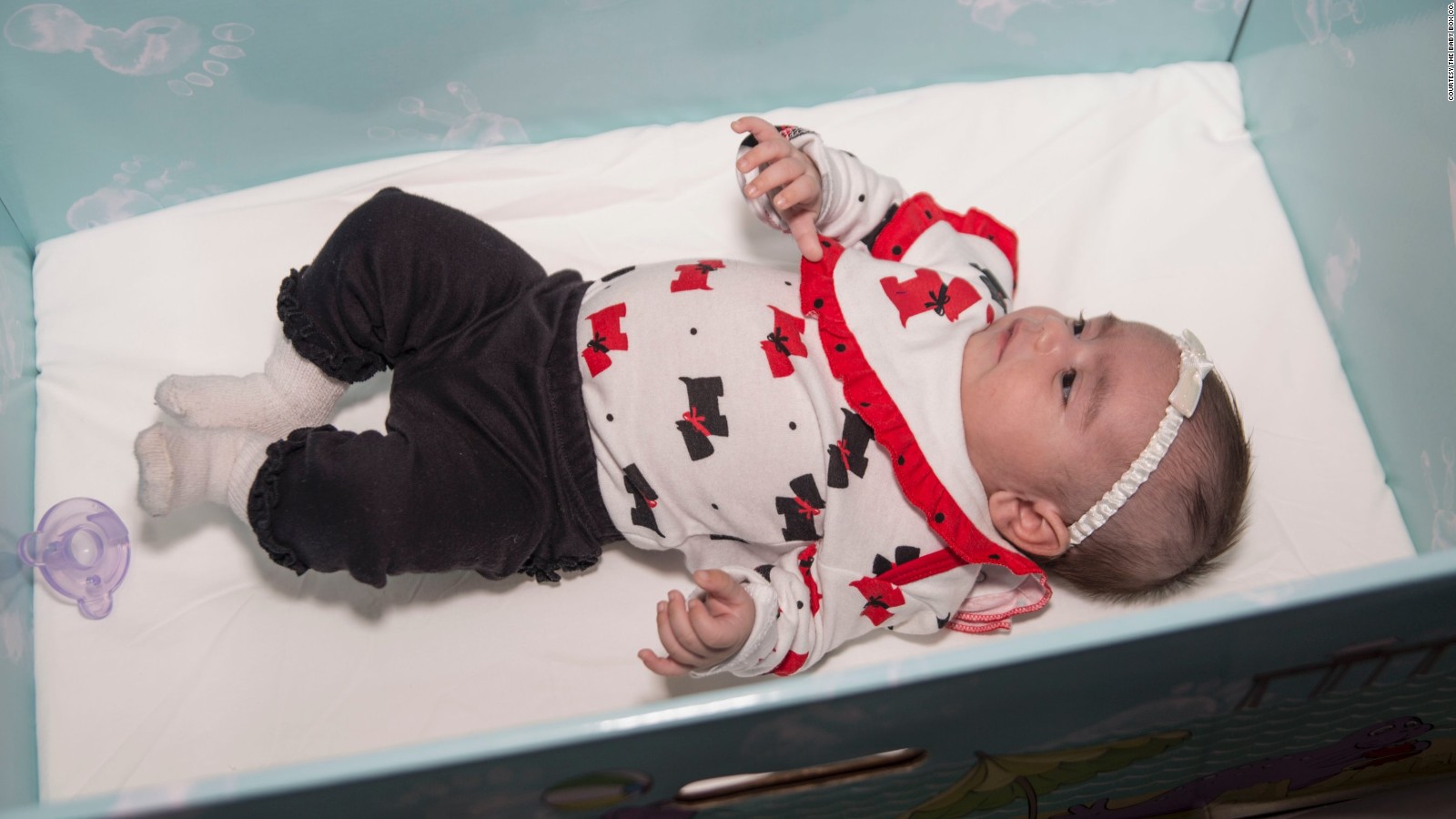
The upshot of failing to burp is that the babe may spit up and gag, losing some of that precious milk, or wake up in an 60 minutes or so screaming in pain.
"I'm getting calls all the time where parents say that the babe is really peaceful after feeding, but and then baby wakes up screaming and is up for the next two i/2 hours," added Gannon. "My favorite line is 'cheat the baby, cheat yourself.' If you cheat the babe out of a good burp and fail to become all of that air out, you lot and the infant are both going to suffer."
There are several burping techniques you lot can try until you observe the one that works all-time for your baby. In the most well-known, the-over-the-shoulder burp, you place your babe loftier on your breast with her chin resting on your shoulder and face turned to one side, tum firmly confronting the chest. Pat or rub the baby'southward back gently until she burps.
"Information technology might have yous an additional 10 minutes at the end of the feed," said Gannon, "merely the baby will be happy."

Another common technique is to place baby face down across your lap, and pat and rub. Other techniques include baby exercises. Lay them on a blanket on the floor and begin bicycling their legs, or moving their legs up and effectually in a circular motion in each direction.
Gannon finds that a sitting posture works best for her clients. She places the baby sitting upright on her lap, facing the side. Using one hand to support the baby's caput in the front (making sure to avoid holding the neck) she puts her other hand on the baby's back.
"Keeping the babe's lesser firmly planted on my lap I movement their whole body in a small, deadening round motion to the left for a while, then to the right for a bit," explained Gannon. "I sit down the baby upright a few times, and unremarkably get a proficient, hearty burp, even without a gentle pat on the back."
5. Declining to pre-burp
Most of the states remember about burping later the baby eats. But experts say that y'all should also have the time to pre-burp your baby.
"I try to pre-burp baby for at least two minutes before starting whatsoever feeding," Gannon recommended. "This helps eliminate the common spitting up and gassy problem that newborns often have for the first 30 days."
"If you lot start out without gas in the stomach, and so do a really practiced feed and become the gas out at the stop, they are going to be much more comfy and more than likely to be happy and content on their ain," added Altmann.
six. Mistakes in mixing formula or breastfeeding
Making a error measuring formula and h2o happens ofttimes enough in her practice, said Altmann, that she makes information technology a practice to quiz parents on how they fix baby'due south meals. She asks the same of breastfeeding moms, too.

"When I have new babies come into my practice," said Altmann, "whether they are breastfeeding or formula feeding, I take a step back and ask these questions: 'Exactly how are you feeding your babe -- what do they look like when they are latched on? How are you mixing the formula? How are you putting it in the bottle?'"
On occasion she finds that one of the parents might be mixing formula wrong, by making it too concentrated or dilute.

"Usually, it'due south too dilute," said Altmann. "Then the infant isn't getting plenty nutrition and that's when they fail to thrive. Y'all always desire to be sure y'all're reading and following the directions on the formula properly."
And some moms may not accept the babe fully latched onto the chest, and so while the infant looks similar it's nursing, he or she isn't really swallowing and feeding, said Altmann.
"Information technology'southward a good thought for breastfeeding moms to check in with a lactation consultant if they have any concerns or pain during feedings," said Altmann. "And so check in with your pediatrician regularly to make sure your baby is gaining weight appropriately."
7. Non enough tum time
Altmann says an unfortunate fault many new parents make -- and continue to brand as baby grows -- is keeping baby constrained in a car seat, bouncy seat or other sleepers.

"I'll see parents out with their babe, at a eatery, at the park, talking to friends, and they are conveying the baby in the automobile seat," said Altmann, who is too a spokeswoman for the American Academy of Pediatrics. "I'm ever telling parents, 'Car seats are for cars, merely don't carry them to and fro in the machine seat.'"
Non simply can spending too much time reclining create a soft spot on the back of their head, says Altmann, merely not interacting with the baby can crusade linguistic communication delays and other problems due to a lack of stimulation.
"When your baby is not sleeping or not in the automobile traveling, they really should be on their tummy or held past a parent," Altmann said. "They shouldn't exist strapped downward, they demand to motion, stretch, gyre and push button their head up."
8. Under- or overreacting to a fever
Fevers in newborns can be serious. If your baby is younger than three months and develops a fever of 100.4 or college, call your pediatrician or medical professional immediately. Simply when it comes to a fever in babies and children older than that, the advice is more complex.
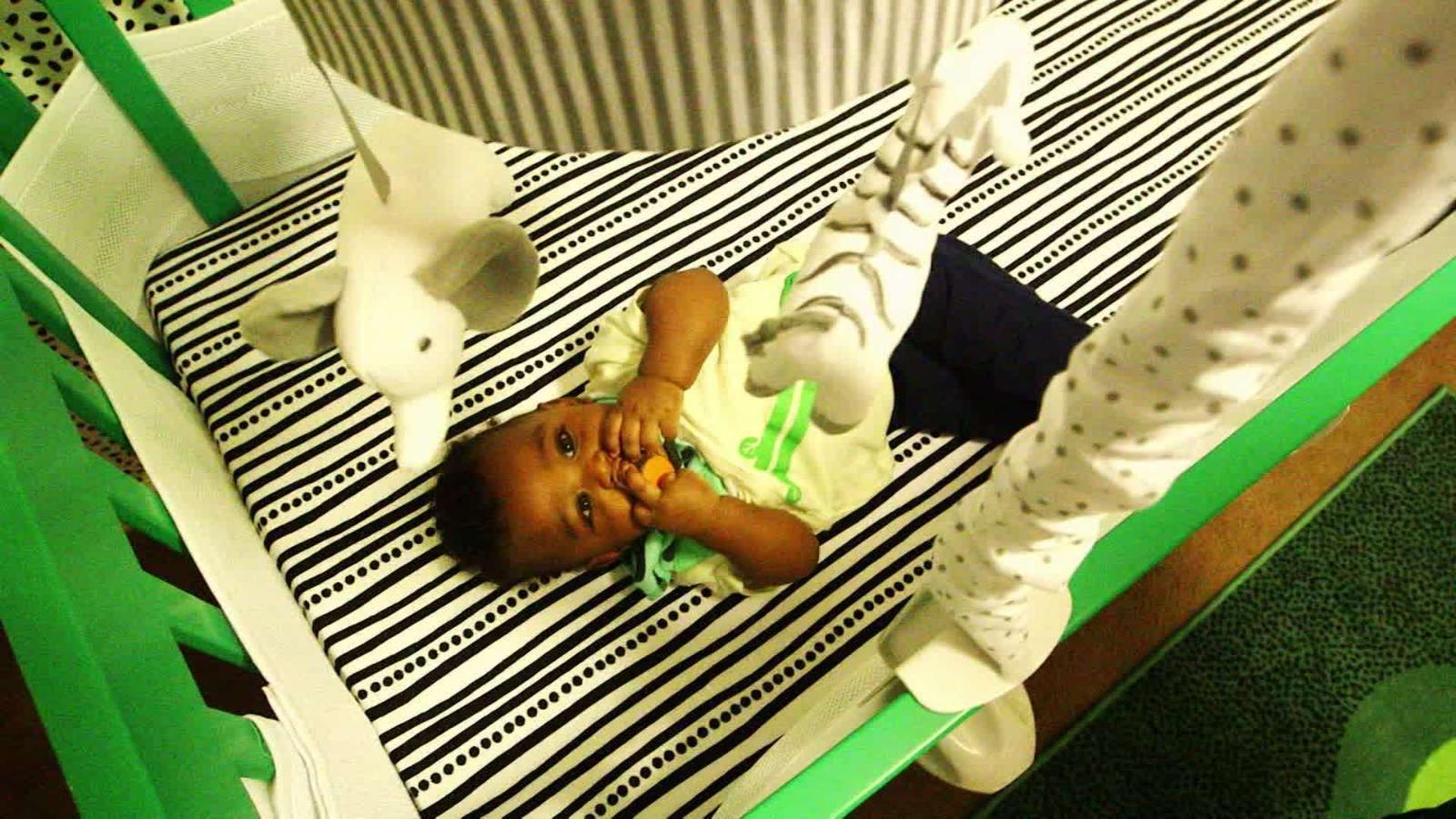
"For the older babies, I'one thousand usually telling parents non to freak out by what the number says on the thermometer," explained Altmann. "Instead, take a shut look at your kid to figure out what is happening with them, because not every fever needs to be treated."
Look at your baby and observe. Are they drinking fluids? Are they happy and playing? Are they sleeping OK? Are they having any trouble animate? Those are the questions to ask yourself, Altmann said. Experts say most fevers are harmless, and likely the outcome of a mild infection.
"Don't only treat the number on the thermometer," Altmann added. "It doesn't affair if information technology's 101 or 103.v, information technology's more of import how they are acting."
9. Proper temperature for baby in the dwelling
Another business organization for parents: how warm or absurd their baby should be. Shu said she is oftentimes asked by parents for the proper temperature setting for the dwelling. The answer, she says, depends on the time of yr and the insulation of the home, but in general "a thermostat setting around 68 to 72 is probably comfortable for infant."
While Shu says she thinks many parents keep baby besides warm, Gannon has plant the opposite. At homes in her practice, she said, new parents may accept their babe in a T-shirt and diaper, unswaddled. She said a baby's pare should ever be warm, not hot or cold, to the touch.
"If the baby is chilled, and then his body will need to burn extra calories to raise his body temperature, instead of those calories going toward a good for you weight proceeds," said Gannon. "So even if the baby is feeding well, he or she may not be developing properly because they have to burn a lot of calories trying to get warm."
Shu warns that newborns don't accept good circulation at first, so "having cool hands and feet is normal."
ten. Taking newborns into crowded places
Some parents want to take their newborn to a large family gathering so everyone tin ooh-and-awww over their tiny miracle. That could exist a mistake, experts said.
"It does scare me a bit when I see newborns out and about, especially during cold and flu season," said Altmann. "The offset two months of your baby's life, yous really need to protect them from exposure to germs and people that are potentially sick. Your baby's immune organization is weak, and still growing and developing."
That doesn't mean y'all can't leave the house, however. Experts encourage daily walks and say information technology's fine to sit in your lawn or on the front porch.
"Only don't have them to crowded spaces," Altmann said. "That'southward when you can expose them to people who potentially have the influenza or another contagious disease that could spread, fifty-fifty if they are a few feet away."
bumgarnertrustold.blogspot.com
Source: https://www.cnn.com/2018/01/29/health/newborn-mistakes-parents/index.html
0 Response to "How Long Should You Keep Newborn Baby at Home"
Postar um comentário