Is 99 Cent Soap Safe for Baby Bottles
Environmental sustainability and concern don't always go hand in paw, particularly when it comes to product packaging. Some of the almost common household packages – including white potato chip bags, pizza boxes and toothpaste tubes – ofttimes aren't recyclable. For companies hoping to woo sustainability-minded customers, this can be a existent problem. Fifty-fifty though it makes up a small part of a product's environmental bear upon (pdf), packaging is the starting time thing that consumers see, and it tin heavily influence their buying decisions.
Mark Dancy, president of WasteZero, a U.s.-based waste reduction company, says that while fast advancing technologies tin can heave dark-green friendly packaging, many companies go on to commit packaging mistakes. The master problem, he argues, is that, when it comes to packaging, most companies focus on two priorities: "how volition this drive consumers to my product and how much does this cost". For some, ecology sustainability is a third, less of import concern. "But realistically, most look at the first two," he says.
Here are some examples of the top packaging blunders that companies make, likewise equally some potential solutions to the packaging puzzle.
The chip bag
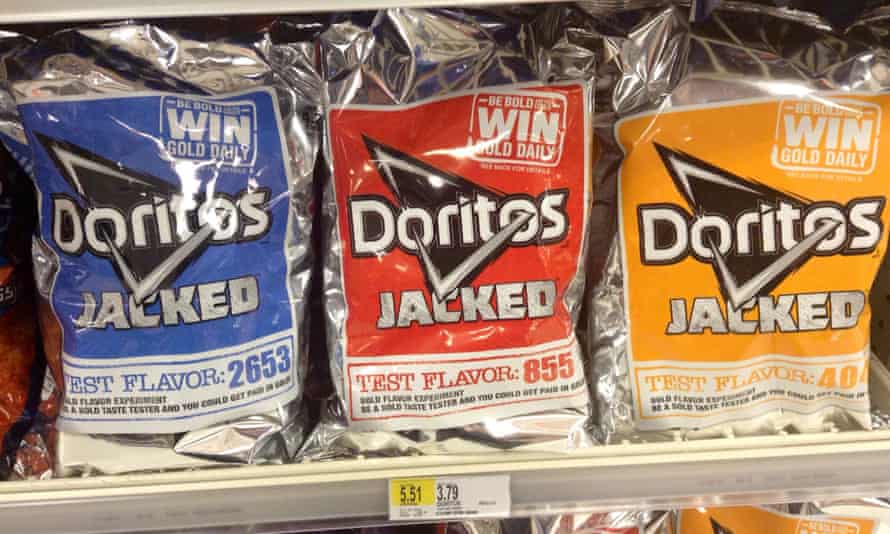
The problem: The typical snack scrap bag is made from upwardly to seven layers of foil and plastic. Companies like this because these numberless are light, reduce aircraft volume, don't accept up much space on a shelf, and are graphics friendly. The downside is that at that place'southward currently no mechanism to separate these layers, so they aren't recyclable.
"It'due south not price constructive and in that location would be no marketplace for the separated material," explains Lawrence Black, managing director of global business organization development at Waste Management, a US-based environmental solutions provider. "It is expensive to set and it all comes dorsum to is there a market for the material. If at that place's not an ongoing marketplace for the textile it won't go recycled."
Who does it? Multi-layered packages are popular with consumer giants, particularly snack food manufacturers such as Frito-Lay and PepsiCo.
What is the solution? Unfortunately, there is no piece of cake solution: according to sustainability experts at Waste Management multi-layered packaging is considered the worst of the worst when information technology comes to recycling. "When things are mixed together, you devalue the product," says Tom Carpenter, executive manager of Waste Management's sustainability services. "If I had two boxes, and one is all paper-thin, the other box had metallic strips, the second would be besides costly to recycle."
Consumer educational activity can become a long way toward increasing the potential for recycling. For example, packages with simpler multilayers, such equally cereal boxes and bags, need to exist separated for recycling. Some other option is "upcycling": Consumers can wash out used bags and reuse them for sandwich numberless, or for craft projects, such as the potato chip wallet.
Unmarried-serving foods
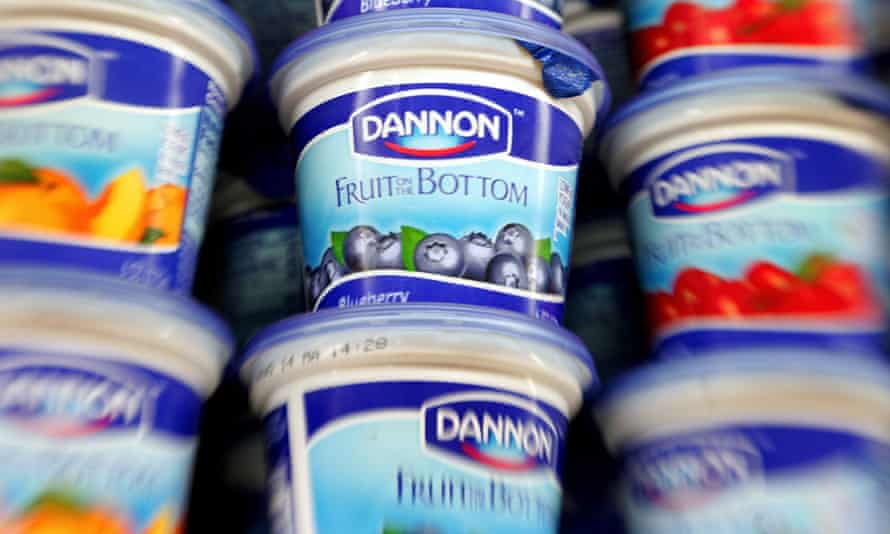
The trouble: Size and material are two of the biggest factors for recyclability: in general, the smaller a package and the greater its mix of materials, the less recyclable information technology is. While consumers and businesses may think that sleek, recyclable containers are sustainable, experts annotation that unmarried-serving foods, including yogurt and coffee cups, are especially problematic. Their small size and – in the case of yogurt cups, difficult-to-recycle plastic – tend to make them a tough sell for recyclers.
Who does it? Virtually common unmarried-serve foods, including cups of java, violate the material and size dominion. Yogurt, specially, is a problem – the majority of yogurt companies, ranging from giants like Dannon and Chobani, to smaller independent producers, apply packaging that is difficult to recycle.
What is the solution? On the recycling cease, advances in engineering could lead to new sorting machines and more than sustainable polymers. Alternately, some companies, including Unilever, accept redesigned their packaging to make it more sustainable. On the consumer cease, many coffee bondage, including Dunkin' Donuts and Starbucks, allow customers to use reuseable coffee mugs.
Another choice is compostable, biodegradable packaging. Some supermarkets, similar Whole Foods and Trader Joe's, are increasingly utilizing compostable and biodegradeable containers. Unfortunately, this is still uncommon. Green-conscious consumers can besides opt to purchase larger size items and send them in reusable or washable containers.
The toothpaste tube and the toothbrush
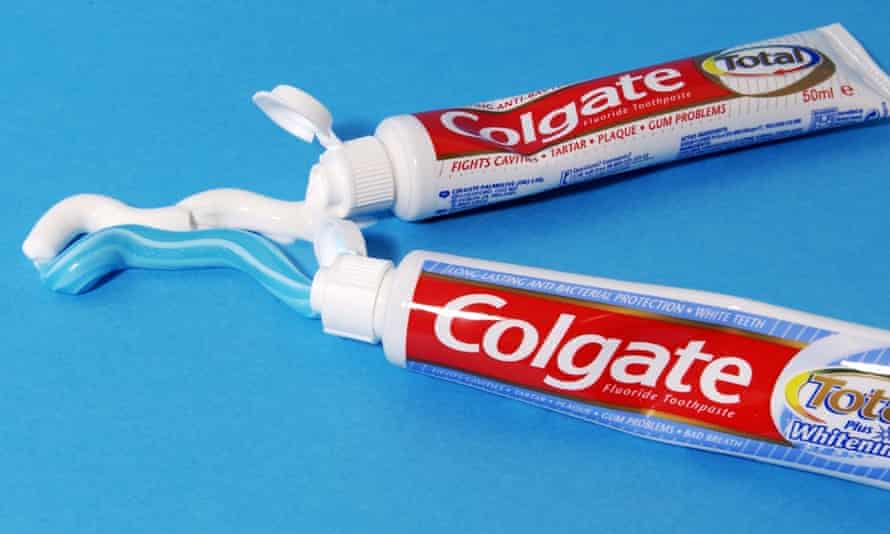
The problem: The small size, blended material and leftover toothpaste within toothpaste tubes – and other tube-based containers – brand recycling about impossible. As for toothbrushes, their slender shape and blend of plastic and nylon bristles brand them tough to disassemble and recycle.
Who does information technology? Toothpaste and toothbrush manufacturers, including consumer giant Colgate-Palmolive, manufacture these non-recyclable products.
What is the solution? Since being served with a shareholder resolution by Equally You Sow (AYS) a non-turn a profit ecology protection group in 2012, Colgate-Palmolive has been working with AYS to create a recyclable toothpaste tube or package.
The post-consumer plastic bottle
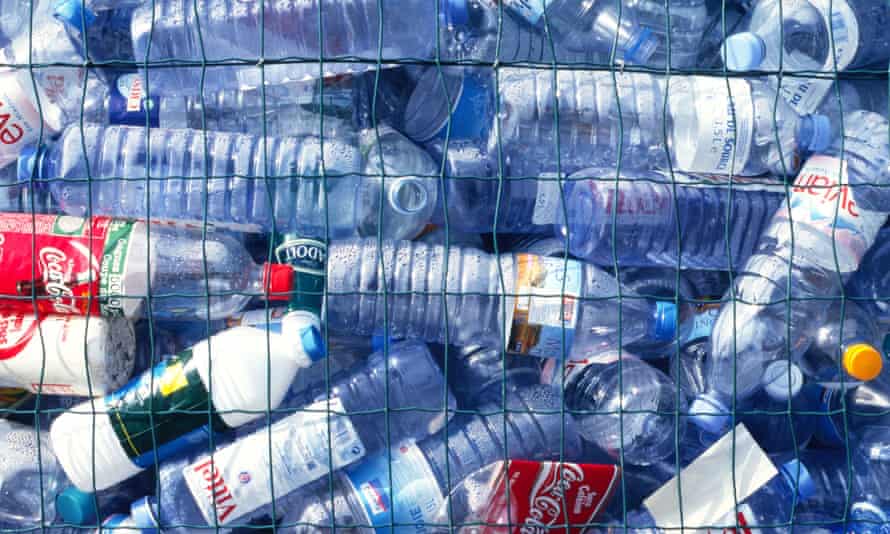
The problem: While plastic bottles, which are popular with both beverage manufacturers and consumers, take come a long way when information technology comes to recycling, there is still room for comeback when information technology comes to the percentage of bottles that are recycled.
Who does information technology? Near potable manufacturers, including Coca-Cola and PepsiCo, utilise PET (polyethylene terephthalate) plastic bottles.
What is the solution? In some ways, plastic bottles are a case study in how companies tin can employ innovations and consumer outreach to improve a recycling problem. A 2013 report from the National Association for PET Container Resources showed that New York's canteen eolith police force and a rise in collections in California drove up U.s.a. gross recycling rates of PET bottles to xxx.viii%.
But there is still room for improvement, and companies, including both Coca-Cola and Pepsico, have launched programs to make recycling more than efficient and convenient. Venues where plastic bottles are consumed take also gotten involved. Earlier this twelvemonth, the National Resource Defense Council released the "Guide to Composting at Sports Venues," and many of the United states of america'due south major sports arenas and venues have established food composting programs and replaced their trash cans with recycling bins.
Some companies are also building recyclability into the production itself. For example, Pepsico'due south pop "Naked" beverage comes in a 100% mail-consumer recycled plastic canteen. Similarly, Vermont-based Seventh Generation's eco-friendly products are packaged in green friendly, post-consumer containers.
The online buy
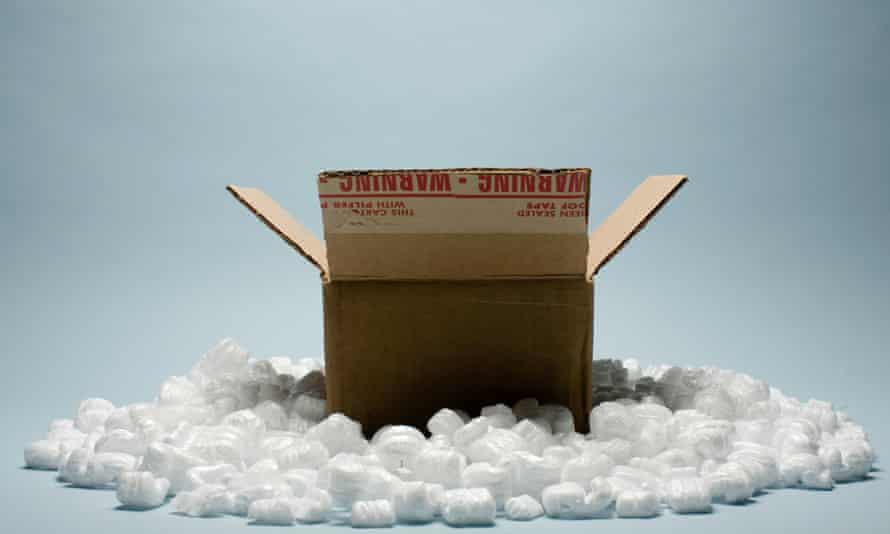
The problem: Companies and private sellers that deliver products through the mail often over-bundle, putting a pre-boxed item in a 2d box, and sometimes fifty-fifty a tertiary ane. This practice, which Dancy calls the "Russian doll" approach, is exceedingly wasteful.
Who does it? Sellers on the eCommerce network, including eBay.
What is the solution? One choice is to use sustainable packing materials, rather than the traditional styrofoam. There are numerous sustainable options, including packing materials made from corn starch or sorghum, which tin can exist composted. And New York-based Ecovative pattern has developed fungus-based packing materials that are beingness used by Dell, Crate and Butt and Puma, among others.
Ed Kastenbaum, full general manager of San Francisco-based The Packaging Store, and vice president of the Retail Packaging Association, packs with recycled lurid instead of Styrofoam when selling to wine shippers. Kastenbaum says that the pulp wine shippers are widely available. The market change started more than x years ago & now the vast majority of wine is shipped in this manner past wineries, vino clubs, and wine retailers.
The dreaded pizza box
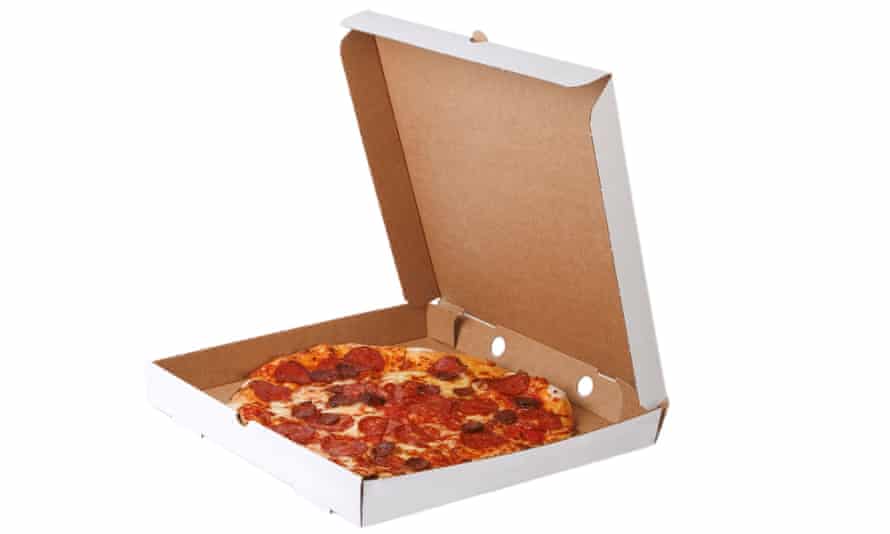
The problem: Pizza boxes – and many other takeout containers – are made of recyclable materials, but when cheese or other food scraps stick to the cardboard, they are no longer recyclable.
Who does it? Consumers and food delivery places.
What is the solution? Consumer awareness and letting consumers know that the box is valuable. Although consumers and yes pizza companies can't avoid the take-out pizza with cheese attached to lid, some companies have turned to environmentally friendly solutions including using compostable containers and specially designed recyclable-friendly pizza boxes.
Some pizza companies such as Straw Lid Pizza separate food and compostable materials in the restaurants. Eastward coast-based Skinny Pines Brick Oven Caterer apply innovative packages such as The Green Box, a recyclable pizza box that tin be disassembled to making it recyclable friendly.
Amy Wu is a Washington DC-based freelance writer who specializes in writing almost business organization and engineering.
The circular economy hub is funded by Philips. All content is editorially independent except for pieces labelled advertisement feature. Observe out more than here .
bumgarnertrustold.blogspot.com
Source: https://www.theguardian.com/sustainable-business/2014/jul/18/good-product-bad-package-plastic-recycle-mistakes
0 Response to "Is 99 Cent Soap Safe for Baby Bottles"
Postar um comentário